
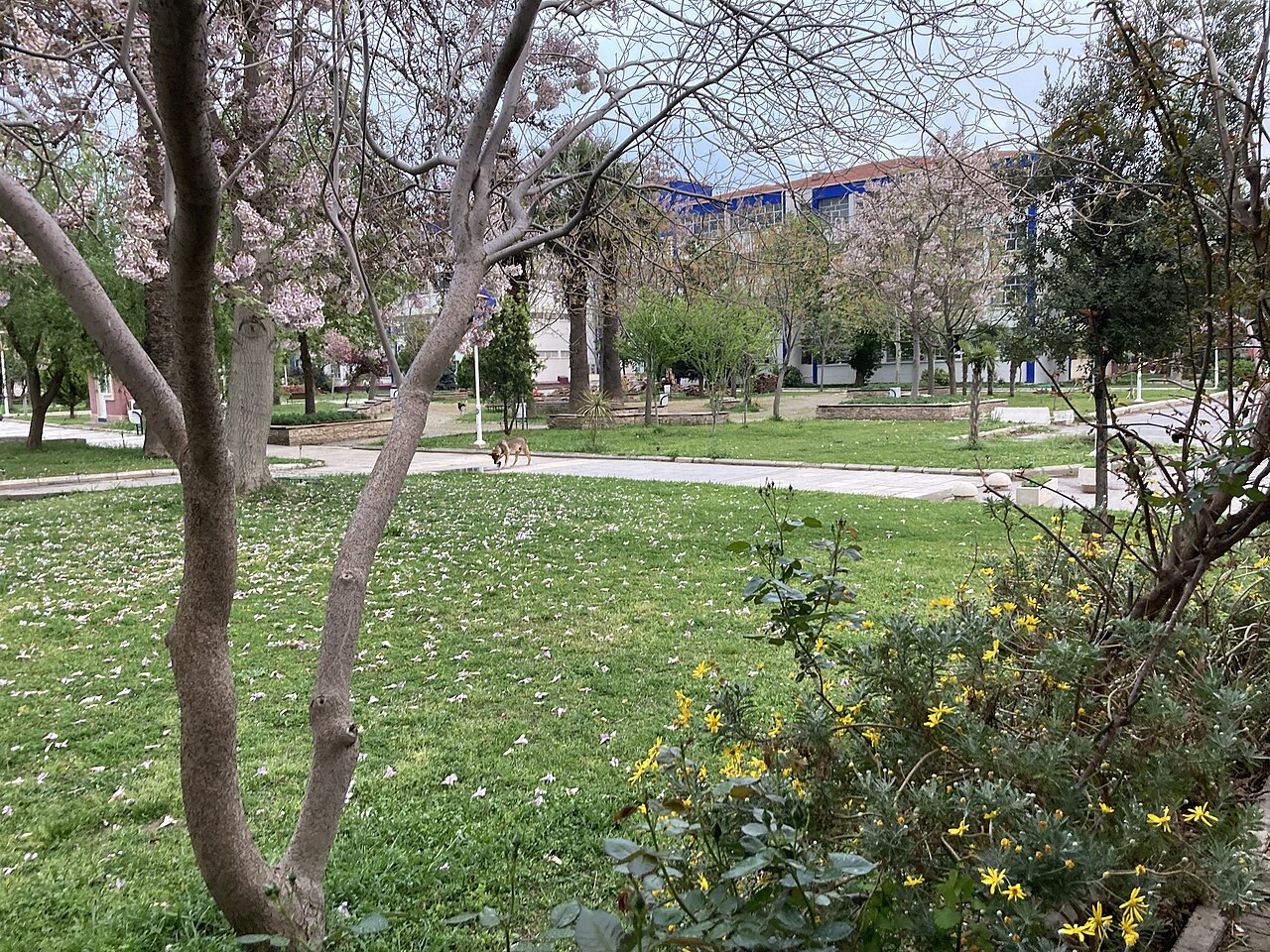
Most visitors think of Bornova as a university district dotted with Levantine mansions. Inside Ege University's own campus, though, sits a botanical garden most İzmir residents have never heard of, with a research history stretching back more than sixty years.
A Garden Hidden Inside the Campus
The Botanical Garden sits inside Ege University's main Bornova campus, tucked away from the everyday bustle of student life. It was founded as a research unit under the Faculty of Science and still functions as an active academic site today, not a tourist attraction — most visitors stumble onto it while walking through campus rather than seeking it out. That makes it a quieter stop than İzmir's more heavily visited sights.
A Research Legacy Since 1962
The garden was established by a decision of the Faculty of Science Professors' Council dated 14 December 1962, with Prof. Dr. Yusuf Vardar and Necmettin Zeybek among its founders. It was elevated to institute status in 1974, then in 1997 became the Rectorate-affiliated Botanical Garden-Herbarium Application and Research Center. Its first seed catalog was compiled just one year after founding, in 1963, inside a small greenhouse improvised from the original building's balcony.
Sequoias and Carnivorous Plants
One of the garden's standout features is a stand of sequoia trees, a species rarely found in Turkey. Its carnivorous plant collection includes Venus flytraps, and the herbarium holds decades of preserved plant specimens as a working scientific archive. Between the ponds, the sales section and the herbarium, the garden layers something for researchers and casual visitors alike.
Getting from the Airport to Bornova
A private transfer from İzmir Adnan Menderes Airport to Bornova takes roughly 35 to 45 minutes, depending on city traffic.

Practical Tips for Visiting
Weekday daytime hours are easiest, since the garden sits inside a working campus; mornings, when student traffic is lighter, make for a calmer walk. Check current visiting hours and whether group visits need advance booking directly with the university before you go, since these can change. The paths are dirt and stone, so wear comfortable shoes, and bring a hat and water in summer when shade is limited.
Who Is This For?
Nature photographers, botany enthusiasts and anyone wanting a quiet walking break will find this a small but satisfying stop, and it works well for families with curious kids too. Researchers and botany students get a chance to see textbook material in person. It's a weak fit, though, for travelers chasing nightlife, beaches or shopping — if you're on a short layover, a more central stop is a better use of your time.
Combining Bornova Into a Full Day
Pair the Botanical Garden with the district's Levantine heritage: visiting the Levantine mansions of Bornova before or after the garden shows you both the natural and historical layers of the district in one trip. If you want a greener stop closer to the city center, our guide to İzmir's Kültürpark is worth a look too. To fit both Bornova stops into one day, spend a calm morning in the garden and the afternoon among the mansions.
Frequently Asked Questions
When was the Botanical Garden founded?
The Botanical Garden was founded by a decision of Ege University's Faculty of Science Professors' Council dated 14 December 1962. Prof. Dr. Yusuf Vardar and Necmettin Zeybek were among its founders, and its first seed catalog was compiled in 1963.
What should I know before visiting the garden?
Weekday daytime visits are easiest, especially mornings when student traffic is lighter. The paths are dirt and stone, so wear comfortable shoes, and bring a hat and water in summer. Check current hours and group booking requirements with the university before you go.
How long does it take to get from the airport to Bornova?
A private transfer from İzmir Adnan Menderes Airport to Bornova takes roughly 35 to 45 minutes, depending on traffic.
What is there to see in the Botanical Garden?
The garden features sequoia trees, rarely found in Turkey, carnivorous plants like Venus flytraps, and a herbarium of specimens collected over the years. It also has ponds and a sales section.
Who is this garden a good fit for?
It's a small but satisfying stop for nature photographers, botany enthusiasts and anyone wanting a quiet walk, and it works well for families with kids. It may not be a priority for travelers chasing nightlife, beaches or shopping.