
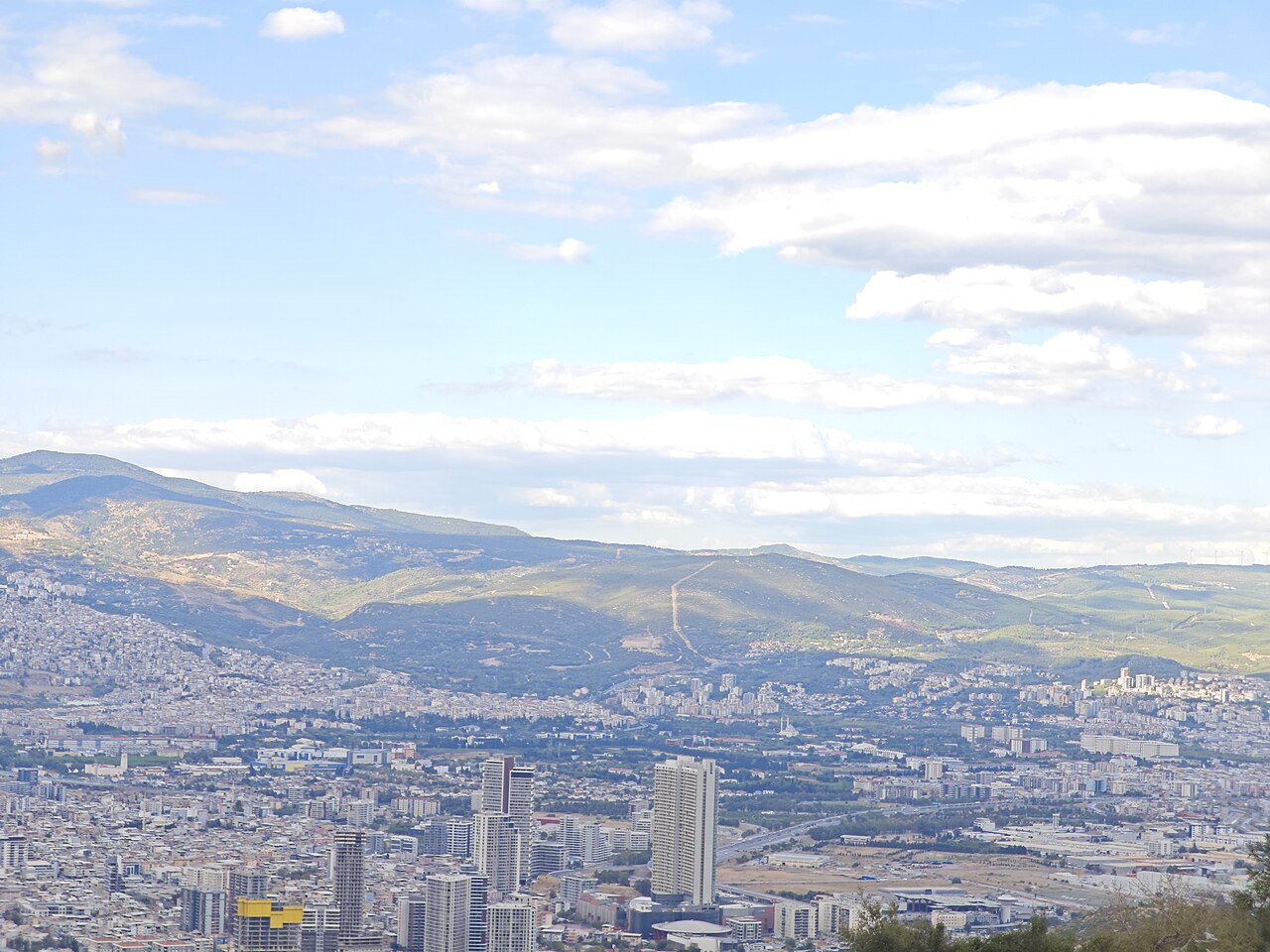
The high-ceilinged, wide-gardened mansions you pass walking through Buca aren't there by chance — they're what's left of the Levantine merchant families who settled in this Izmir district in the 19th century, still standing more than a hundred years on.
Apack House: History Inside a Kindergarten's Walls
One of Buca's most striking Levantine buildings is Apack House, thought to have been built in the early 1900s. It was first owned by the Apack family, Catholic Armenians originally from Ankara, before passing to the Hungarian-origin Dologh family. Today the building operates as a kindergarten and still stands largely intact, its elegant architecture preserved — one of the rare examples of Izmir's multicultural past you can still see from the street.
Ciliciyan House: From Mansion to Event Space
Another trace is Ciliciyan House, built in the late 1800s by Themistocle Antoine Ciliciyan, an Armenian merchant. After his death the house passed to the British-origin Cooke family, and over time Turkish families moved in too. Today, in the area known as "Eski Bahçe" (Old Garden), the grounds host engagements, henna nights, graduation parties and corporate events; the building still stands solidly and carries Izmir's multicultural past into the present.
Getting There From the Airport
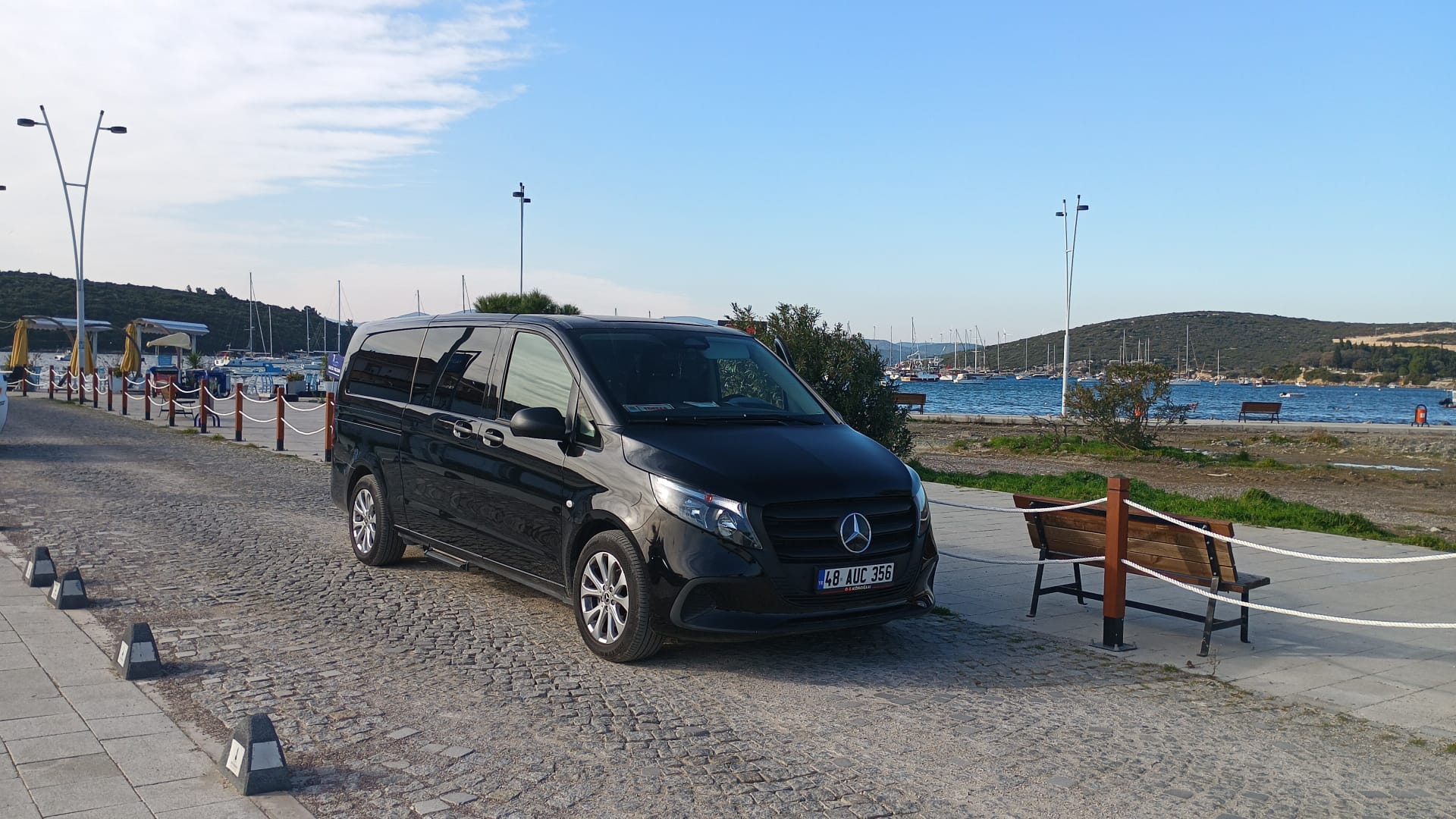
Buca sits notably closer to the airport than many of Izmir's other districts, which makes it a practical choice for a single-day cultural detour. Egem VIP Transfer can take you straight from the airport to Buca in a private Mercedes Vito, then on to the city centre or your next stop once you've toured the mansions. Details on the Airport to Buca VIP transfer route are here.
Before You Go
Most of these mansions are now private property, a kindergarten, or an event venue, so you'll likely be photographing from outside rather than stepping in — knowing beforehand what each building is used for saves you time on the ground. It's most efficient to string together a few nearby houses on one walking route. In summer, shade thins out by afternoon, so mornings work better for photos. Comfortable shoes and a phone with offline maps loaded are enough — the distances between houses are short, but street signage isn't always reliable.
Who It Suits
Anyone interested in architecture and Izmir's history, photographers, and travellers who want something different from a short city stop will get the most out of Buca. It's not the right pick if you're after a beach or nature day — this is a walking cultural detour, not a coastal outing. It suits couples and small groups looking for a different few hours more than it suits families with young children.
Fitting It Into a Wider Route
Given how close it is to central Izmir, Buca pairs naturally with the Levantine mansions of Bornova in the same day — both districts carry traces of the same era and, in some cases, the same merchant families. Our guide to visiting Bornova's Levantine mansions has ideas for combining the two stops. After a morning among the mansions, it also works as a quiet alternative to the crowds of Kemeralti; if you haven't been yet, our Konak Kemeralti Bazaar guide is a good next read.