
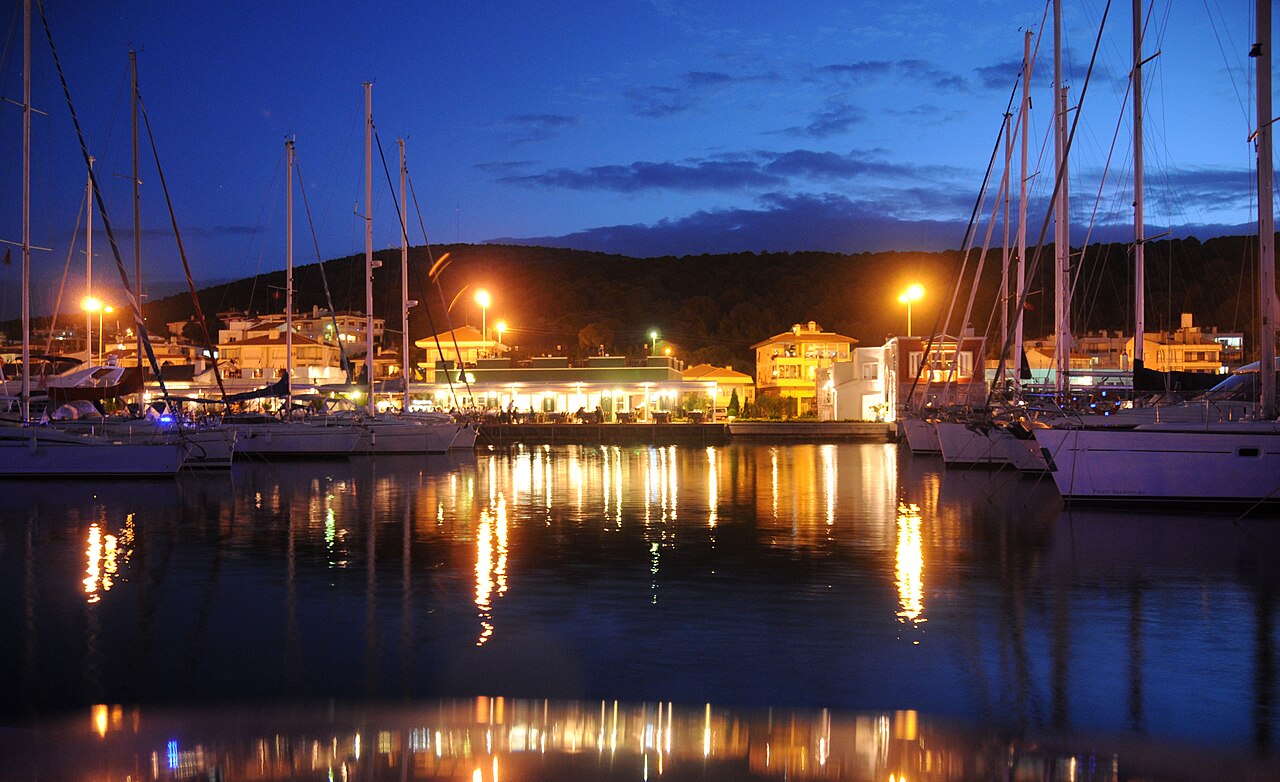
If you ask a local in Cesme where to eat, more often than not they won't point you to a restaurant — they'll send you to a kumru stand. It looks like an ordinary sandwich, but it has a single, dated origin story.
The Sandwich That Started in 1966
Kumru bread itself had been baked across the Aegean for centuries, but turning it into a sandwich is a much newer story. In 1966, Huseyin Pekmen returned from military service — where he'd picked up the sandwich habit from American soldiers stationed in Ankara — and opened a shop in Cesme. He filled the local kumru bread with kasar cheese and sucuk (Turkish beef sausage), and the sandwich that now carries the town's name was born. His shop's legacy is still what locals mean when they say "real kumru."
What Makes It Different From a Regular Sandwich
Kumru bread gets its name from its shape after baking, which resembles the body of a dove (kumru in Turkish) — soft inside, thin-crusted outside. Over time the dough recipe, made with chickpea-leavened flour, earned a geographical indication registration protecting the name. The classic filling is 100% beef sucuk and kasar cheese; tomato, pickles and hot pepper on top are up to you.
A Kumru Stop on Your Airport Transfer to Cesme
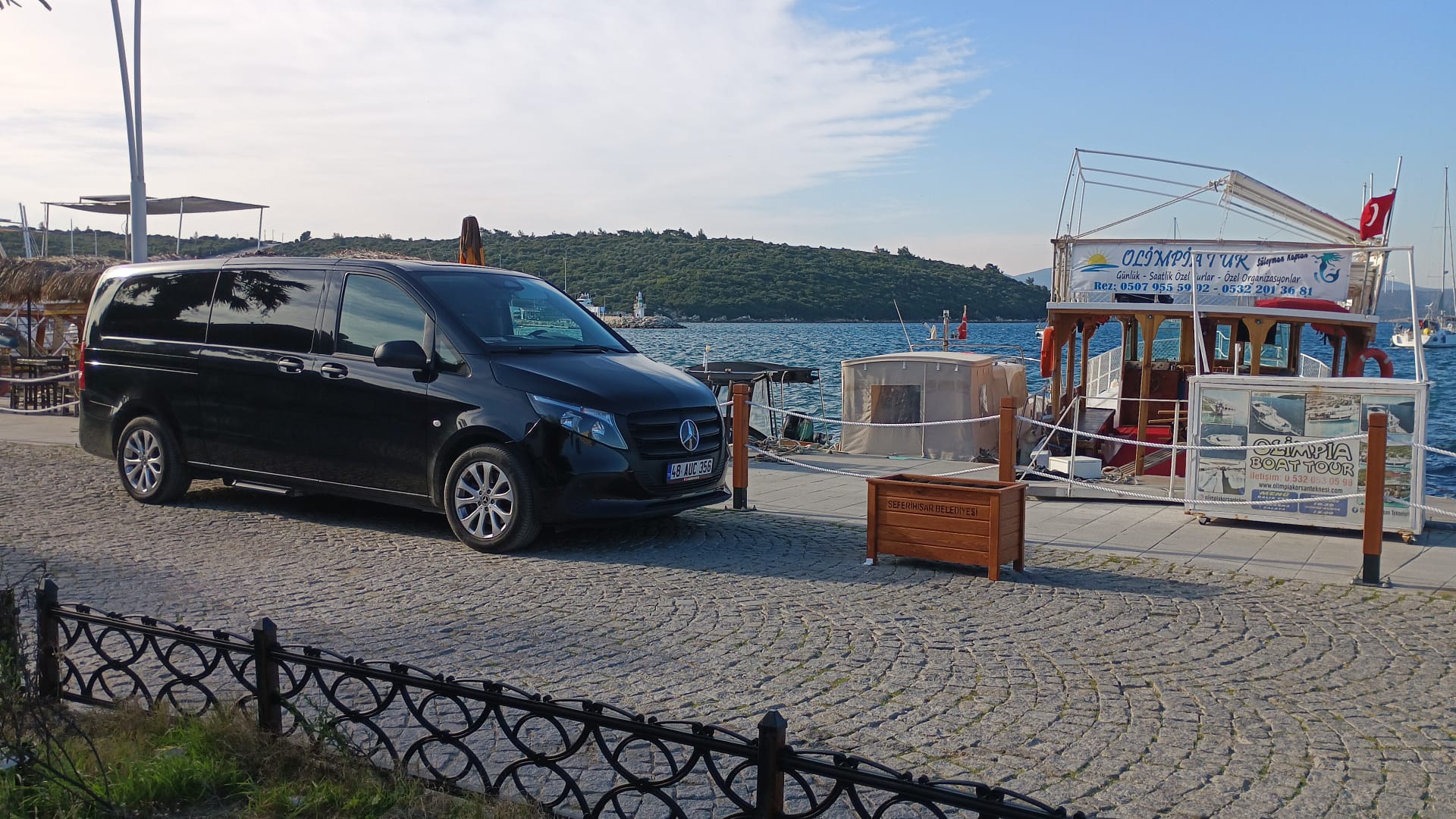
Travelers heading from Izmir Adnan Menderes Airport straight to Cesme with a private transfer can make a kumru stand their first stop the moment they hit town — your luggage stays in the car while your driver waits and you eat. Check our Izmir Airport to Cesme route page for transfer details.
Where to Eat It: Spotting a Proper Kumru Stand
Lines form outside the well-known stands around midday, roughly noon to 2pm; late afternoon is calmer. You don't need more than 20-30 minutes for the whole thing — kumru is fast street food, not a sit-down meal. Many of the small, family-run stands are cash-only, so carry a little cash rather than relying on a card.
Who This Stop Suits, and Who It Doesn't
It's a good call for families wanting something quick and filling on the road, windsurfers heading back from a morning in Alacati, and food-curious travelers who like eating where locals eat. It's the wrong stop if you're after a sit-down fine-dining dinner, or if you avoid red meat or gluten — Cesme's seafood restaurants are a better fit for that kind of evening.
Fitting It Into a Cesme Day: Beaches and Alacati
The easiest way to work in a kumru stop is at the start or end of the day, spending the middle stretch at Cesme's beaches or wandering Alacati's stone-paved streets. If you'd rather eat light and see more, that order works better on both your stomach and your schedule.
Frequently Asked Questions
When is the best time to eat kumru?
Lines form outside well-known stands around midday, roughly noon to 2pm, while late afternoon is calmer. If you want to avoid the crowd, afternoon is the better choice.
How much time should I set aside for kumru?
20-30 minutes is enough, since kumru is fast street food rather than a sit-down meal.
Can I pay by card at kumru stands?
Many of the small, family-run stands are cash-only, so carrying a little cash makes things easier.
What's inside a kumru sandwich?
The classic filling is 100% beef sucuk and kasar cheese; adding tomato, pickles and hot pepper on top is up to you.
Who is a kumru stop not suited for?
It's not the right stop if you're after a sit-down fine-dining dinner, or if you avoid red meat or gluten — Cesme's seafood restaurants are a better fit for that kind of evening.
Can I make a kumru stop on the way from the airport to Cesme?
Yes, travelers with a private transfer can make a kumru stand their first stop the moment they hit town; your luggage stays in the car while your driver waits and you eat.