
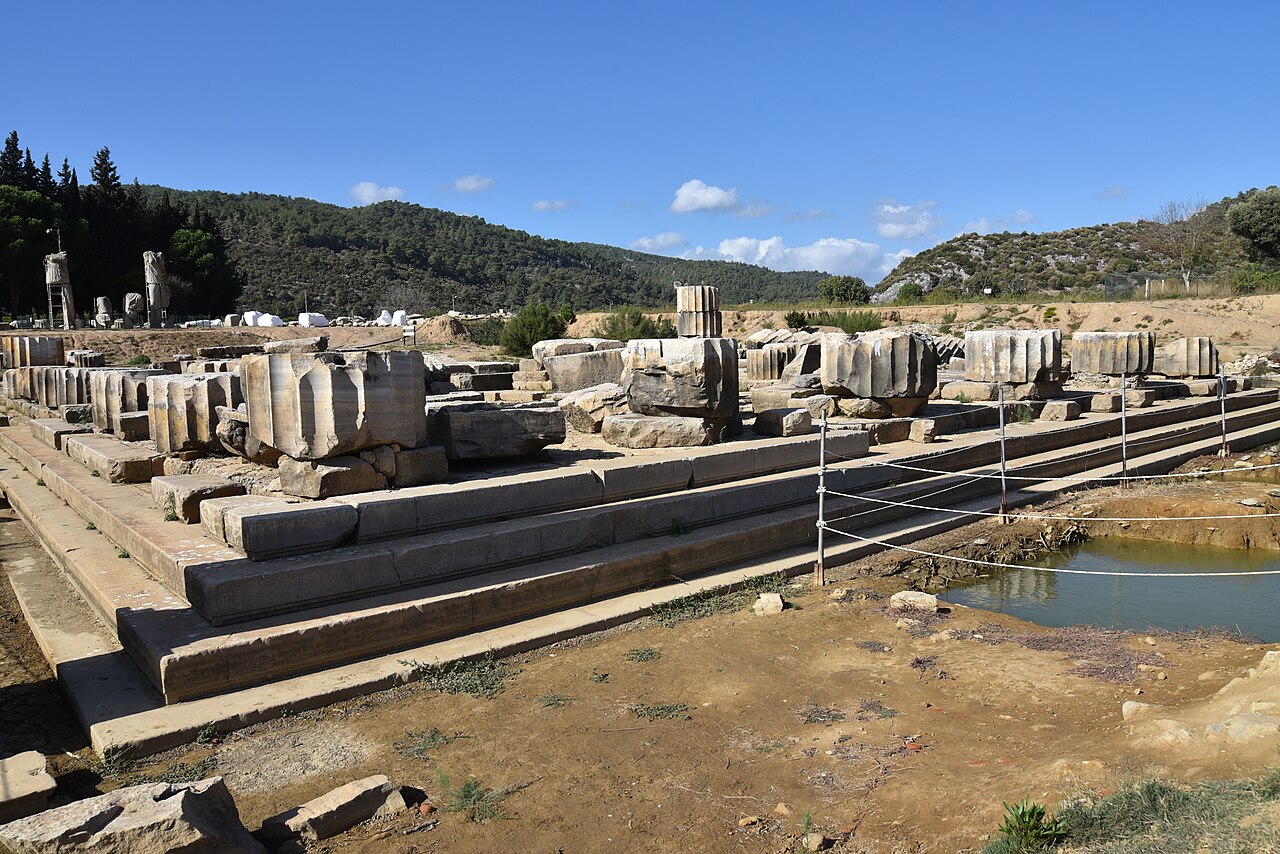
Claros sits a few hundred meters inland from the Aegean coast in Ahmetbeyli, part of Izmir's Menderes district. It's an oracle sanctuary dedicated to Apollo that still draws 2,500 to 3,000 visitors each summer despite being roughly 80 kilometers (50 miles) from Izmir, and most of the time you can walk the ruins without a tour crowd in sight.
Why Is Claros Historically Important?
Claros was one of antiquity's major oracle sites, ranked alongside Delphi and Didyma, and it kept receiving visitors until the 4th century AD. The earliest written reference to the sanctuary comes from the Homeric Hymns, dated to the 7th century BC. Unlike most other Greek oracles, only men served as soothsayers at Claros.
What Can You See at the Temple of Apollo?
Today you can see the temple's monumental ruins, fragments of the cult statues, and the colonnaded sacred road. Construction of the temple's grand but unfinished Hellenistic phase began in the 3rd century BC; its foundations measure roughly 44 meters long by 22 meters wide. Inside stood cult statues of Apollo, Artemis, and Leto, each around 7 meters tall and weighing about 25 tons.
What Stage Are the Excavations At?
Prof. Claros was rediscovered in 1905, when the Propylon's columns were found buried in a field. French teams excavated the site between 1950 and 1961 under Louis and Jeanne Robert, and again from 1988 to 1997 under Juliette de La Genière. Since 2001 the dig has been run by Ege University, making it one of the longest-running excavations conducted by the university's archaeology department.
How Do You Get to Claros?
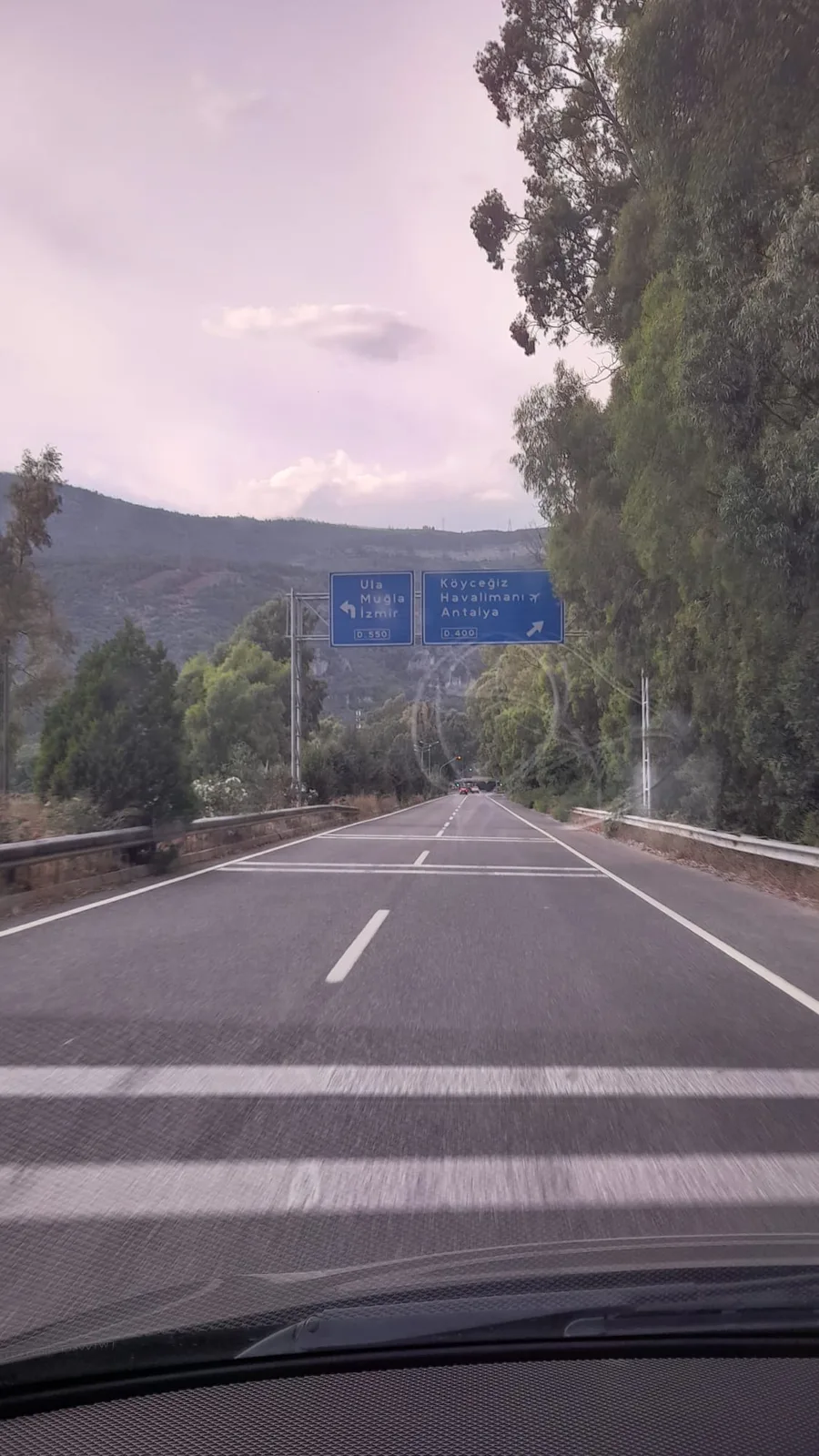
Claros is located in the Ahmetbeyli neighborhood of Menderes district, roughly 80 kilometers (50 miles) from Izmir as the crow flies. Public transport connections to the area are limited, so a private transfer is the most practical option if you don't have your own car. Our Selcuk route gets you within a short drive of Ahmetbeyli; your driver picks you up at the airport in a Mercedes Vito and takes you straight to the site entrance.
Practical Tips for Visiting Claros
Planning your visit time and what to bring makes the trip easier.
- Go early morning or late afternoon; the stone ground heats up fast after midday.
- Bring a hat and plenty of water, since most of the site is open and shadeless.
- Wear flat walking shoes; the ground is uneven and stony in places.
- Pack your own snacks, as there's no food or drink stall on site.
The ruins are concentrated in a small area, so even a short visit is enough to see the temple and statue fragments.
Who Is Claros Right For?
Claros works well for history enthusiasts and travelers who want a quiet site without crowds. The uneven ground makes it difficult to get around with a stroller or wheelchair. Very young children may struggle in the heat since most of the site has no shade; an early morning visit helps. Photographers tend to get softer light in the morning.
Which Route Should You Combine Claros With?
Claros is close enough to Ephesus and Selcuk to fit into the same day trip. Visiting Ephesus Ancient City in the morning and Claros in the afternoon lets you see both sites without rushing. If you have more time, add Claros as a third stop to our one-day Selcuk and Sirince route.
Frequently Asked Questions
Where are the artifacts from Claros displayed?
Statue fragments and other finds from the excavations are displayed at the Izmir Archaeology Museum.
When did the excavation pass to a Turkish team?
French teams completed their work in 1997; since 2001 the dig has been run by Ege University.
How long does it take to visit Claros?
The ruins are concentrated in a small area, so a short visit is enough to see the temple and statue fragments, though reading the inscriptions takes longer.
Can you reach Claros by private transfer?
Yes. A private transfer from Izmir Airport via our Selcuk route is the most practical way to reach Ahmetbeyli, since public transport connections are limited.
Is there shade at Claros?
No, most of the site is open and shadeless, so an early morning or late afternoon visit is more comfortable in the warmer months.