
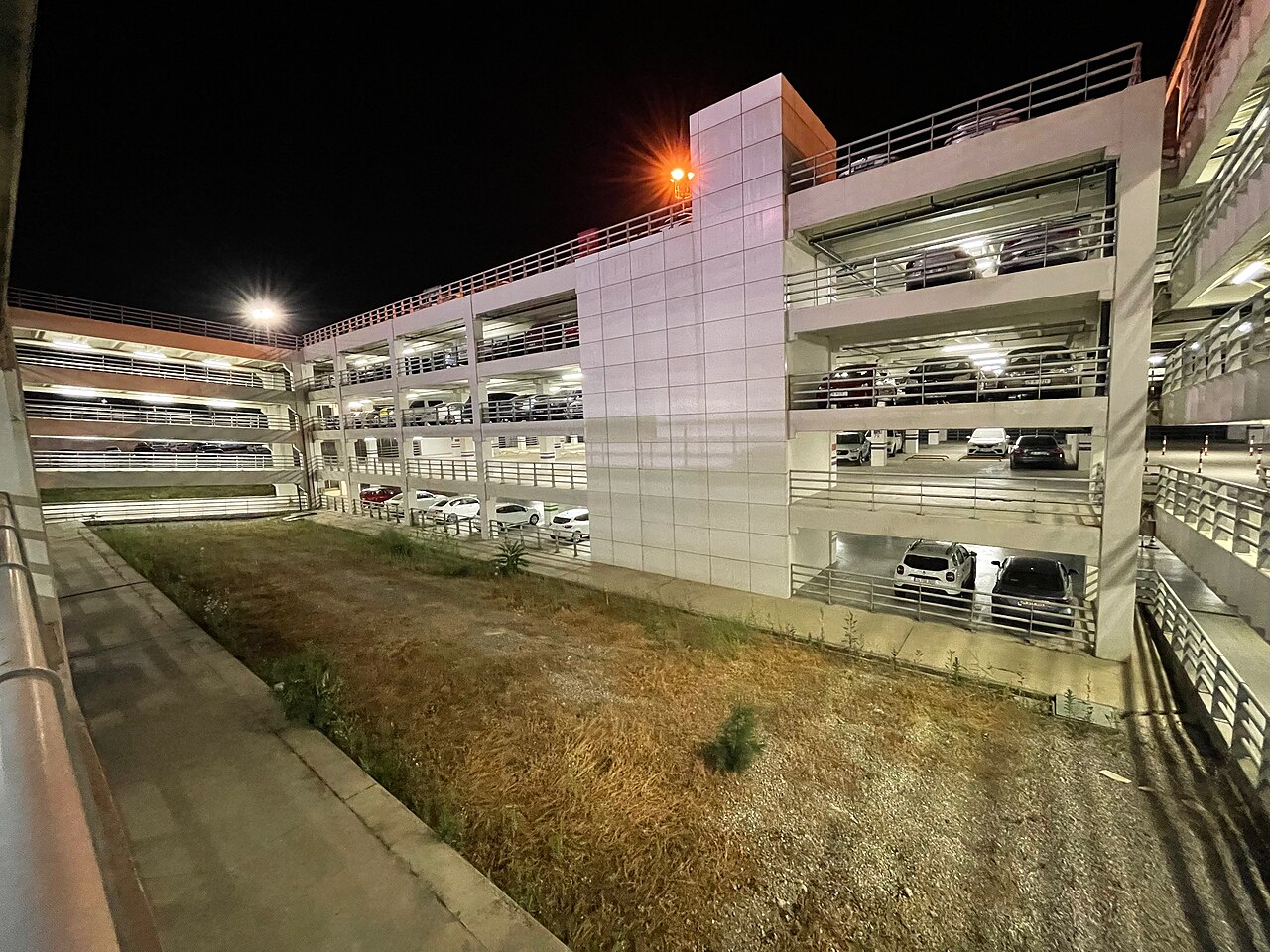
Izmir Adnan Menderes Airport and Milas-Bodrum Airport earned an Accessibility Certificate in July 2026, following inspections coordinated by Turkey's Ministry of Family and Social Services. For travellers who use a wheelchair, have limited mobility, or are travelling with elderly family members, this is worth knowing before you book a transfer — here's what it actually means on the ground.
What the Inspection Covered
Inspectors assessed terminal buildings, outdoor areas and shared passenger spaces across physical accessibility, digital access, communication and transport. Ramp gradients, tactile surfaces, accessible restrooms, wayfinding signage and parking layouts were all reviewed, along with the digital interfaces used for passenger information. Izmir Adnan Menderes Airport had already held a certificate from the General Directorate of Civil Aviation's 'Barrier-Free Airport' project for its domestic and international terminals; this new certificate builds on that earlier work.
Practical Tips Inside the Terminal
If you use a wheelchair or walking support, following the marked ramps and lifts from the arrival gate to the baggage hall is straightforward — wayfinding signs cover this route throughout the terminal. Notifying your airline of mobility assistance needs before the flight makes it easier for ground staff to meet you on arrival. Terminal corridors get busy during peak morning and early-evening flight banks, so building in extra time avoids rushing, especially around lifts. Card payments are widely accepted inside the terminal, though cash still helps at the parking booths and some smaller kiosks.
Why a Private Driver Helps
Who Benefits Most
These changes matter most for families travelling with elderly relatives, wheelchair users, and patients for whom a long journey after surgery would otherwise be difficult. For younger, able-bodied travellers who already prefer public transport, the certificate probably won't change much in practice — their existing options were already sufficient.
A Bigger Deal for Medical Travellers
For patients coming to Izmir for treatment or post-operative follow-up, the accessibility certificate is a reminder that the first leg of the trip — airport to clinic or hotel — needs to be just as comfortable as the care itself. Our Izmir health tourism transfer guide covers this in more detail, and families travelling with a stroller can find tailored advice in our family and baby transfer guide.
Accessibility Tips for Hotels and the City
A comfortable airport and transfer only cover half the trip. Choosing a hotel with a lift and ground-floor accessible rooms simplifies everything from luggage to room changes. If you want a flat, obstacle-free walk, the Alsancak Kordon waterfront is a comfortable option. Flagging your accessibility needs when you book — rather than on arrival — remains the safest way to avoid surprises.
Frequently Asked Questions
When did Izmir Adnan Menderes and Milas-Bodrum airports receive the Accessibility Certificate?
Both airports received the certificate in July 2026, following inspections coordinated by the Ministry of Family and Social Services. Izmir Adnan Menderes Airport had already held a certificate from the General Directorate of Civil Aviation's 'Barrier-Free Airport' project before this.
What did the inspection cover?
Terminal buildings, outdoor areas and shared passenger spaces were assessed across physical accessibility, digital access, communication and transport. Ramp gradients, tactile surfaces, accessible restrooms, wayfinding signage, parking layouts and the digital interfaces used for passenger information were all included.
What should passengers using a wheelchair or walking support do inside the terminal?
Following the marked ramps and lifts from the arrival gate to the baggage hall is enough, as wayfinding signs cover this route throughout the terminal. Notifying the airline of mobility assistance needs before the flight makes it easier for ground staff to meet you.
Who benefits most from this certificate?
It makes a clear difference for families travelling with elderly relatives, wheelchair users, and patients for whom a long journey after surgery would be difficult. For younger, able-bodied travellers who already prefer public transport, it probably won't change much in practice.
What advantage does a private chauffeured transfer offer over public transport?
Because the car waits close to the terminal exit, the driver handles the luggage, and no vehicle change is needed, stairs, crowds and standing wait times are removed entirely. This is especially helpful for older travellers or anyone with limited mobility.