
If you ask for "simit" at an Izmir bakery, you might get gently corrected — locals call their version gevrek, and mixing the two up is a small local faux pas. It's crispier, lighter, and since 2021 it's been an officially registered product.
How Gevrek Differs From Simit
The difference comes down to a step called pekmezleme. Istanbul's simit is brushed with grape molasses (pekmez) and pressed into sesame seeds before baking. Izmir's gevrek goes through pekmezleme using a different technique, which gives it a thinner, crunchier shell that stays fresh longer than simit. Street vendors carrying glass-cased carts of gevrek are a familiar morning sight around the Kordon and Kemeraltı. For locals, this isn't a minor detail: order a "simit" at a gevrek stand and you'll likely be corrected, good-naturedly.
A Short History and Official Registration
Gevrek's recognition as a protected Izmir product is recent. Following an application by the İzmir Pide Gevrek İmalatçıları ve Benzerleri Odası (the local bakers' guild), "İzmir Gevreği" was registered as a geographical indication with Turkey's Patent and Trademark Office on 28 September 2021, under registration number 905. The registration now protects both the name and the traditional production method — a gevrek made elsewhere, by a different process, can no longer legally be marketed as "İzmir gevreği."
Getting From the Airport to Kemeraltı
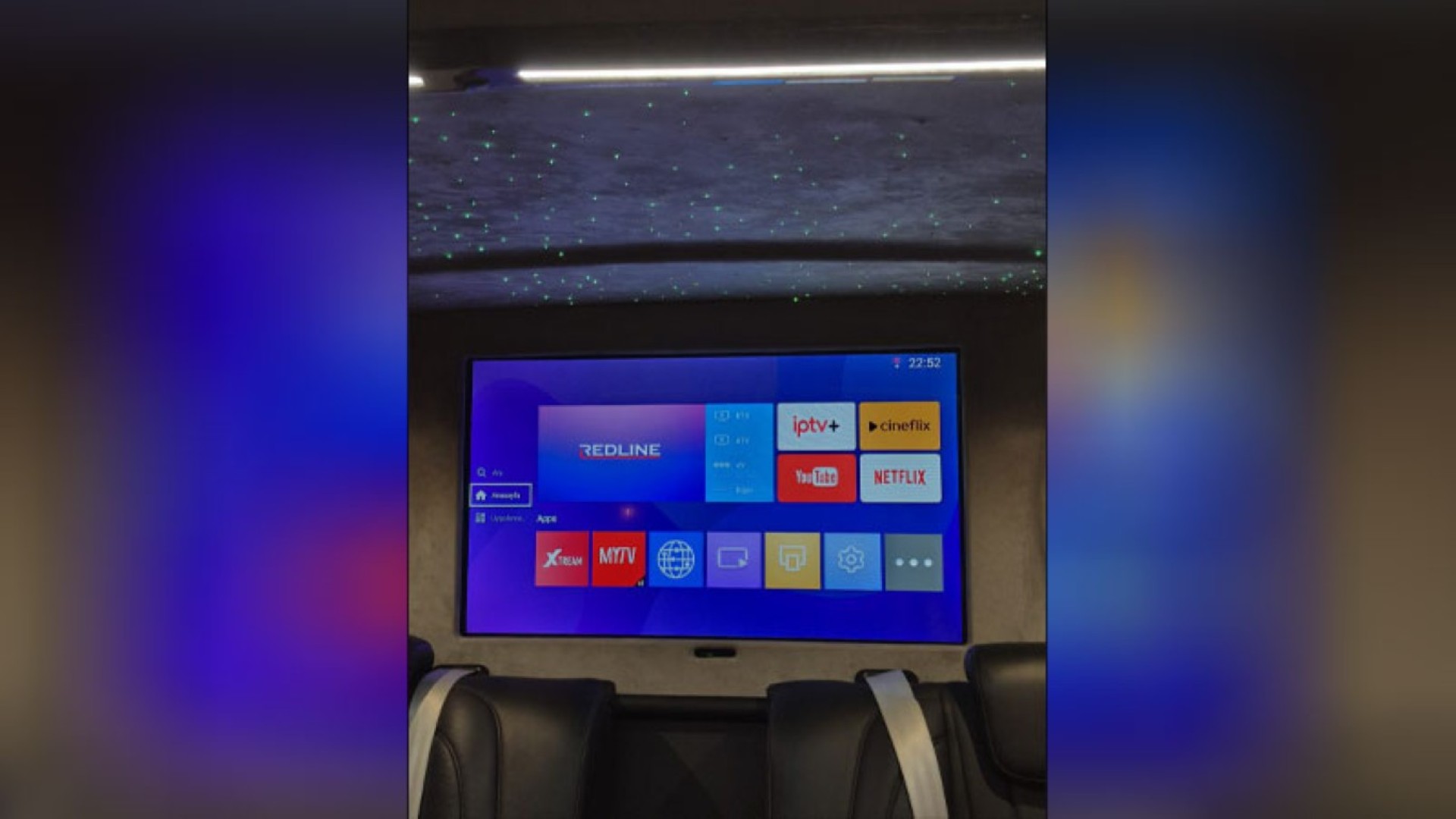
Travelers landing at Adnan Menderes Airport and heading straight into the city center often make Kemeraltı or the Kordon waterfront their first stop — and a warm gevrek becomes a natural part of that route. A private VIP transfer from the airport to Konak puts you at the bazaar entrance while the morning batch is still warm on the counter.
When and How to Eat It — Practical Notes
Gevrek is at its best within the first hour or two out of the oven; by afternoon it loses that signature crunch. Street stalls around Kemeraltı and the Kordon sell the freshest batches in the morning, which is also when they're busiest. Most street vendors don't carry card readers, so keep a little cash handy. Pair it the local way: white cheese, tomato, olives, or plain black tea.
Who It's For
Great for early-rising families, business travelers who want a fast breakfast before a flight, and anyone curious about Turkish street food. It's not suitable for guests with gluten intolerance or celiac disease — the dough is pure wheat flour. And if you're hoping for a long, seated breakfast, a sit-down café serves that better than a street cart.
Building a Morning Route Around It
Gevrek fits naturally into a longer morning out. Walk through Kemeraltı's historic bazaar first, then continue to the Alsancak Kordon waterfront, or turn it into a side-by-side tasting with Izmir's other breakfast icon, boyoz. Whichever route you pick, eat it warm — it doesn't wait well.
Frequently Asked Questions
What time of day is best to eat gevrek?
Gevrek is at its best within the first hour or two out of the oven; by afternoon it loses that signature crunch.
Can you pay by card at street gevrek stands?
Most street vendors don't carry card readers, so it helps to keep a little cash on hand.
How do you get from the airport to Kemeraltı for fresh gevrek?
A private VIP transfer from the airport to Konak puts you at the bazaar entrance while the morning batch is still warm on the counter, making it possible to grab a warm gevrek before setting your bags down.
When was İzmir Gevreği officially registered?
Following an application by the İzmir Pide Gevrek İmalatçıları ve Benzerleri Odası, "İzmir Gevreği" was registered as a geographical indication with Turkey's Patent and Trademark Office on 28 September 2021, under registration number 905.
Is gevrek suitable for guests with gluten intolerance or celiac disease?
No, the dough is made purely from wheat flour, so it isn't suitable for guests with gluten intolerance or celiac disease.
What does gevrek get eaten with?
It's typically paired with white cheese, tomato, olives, or plain black tea — the standard accompaniments of a local breakfast.