
On the steep slopes of Karataş, a 155-step staircase used to be the only way up — until 1907, when a small elevator tower solved the problem. It's still running today, and it's one of Konak's most recognizable landmarks.
Nesim Levi's 1907 Project
The Historic Elevator (Tarihi Asansör) was built in 1907 by businessman Nesim Levi. Karataş's steep terrain forced residents to climb a 155-step staircase between Mithatpaşa Caddesi and the neighborhood above it; Levi's solution was a tower connecting the two levels directly. The elevator ran on steam power in its early years, later switched to water power, and has operated on electricity since 1985. The tower's lowest section was built of stone and the upper three of brick — a notable engineering investment for its time.
Ownership Changes and Today
The building was sold to Şerif Remzi Reyent in 1942. It was donated to the İzmir Municipality in 1983 and reopened to the public in 1993. Today it's included in the European Route of Industrial Heritage (ERIH) network, recognized as part of Karataş's industrial heritage identity.
Getting From the Airport to Karataş
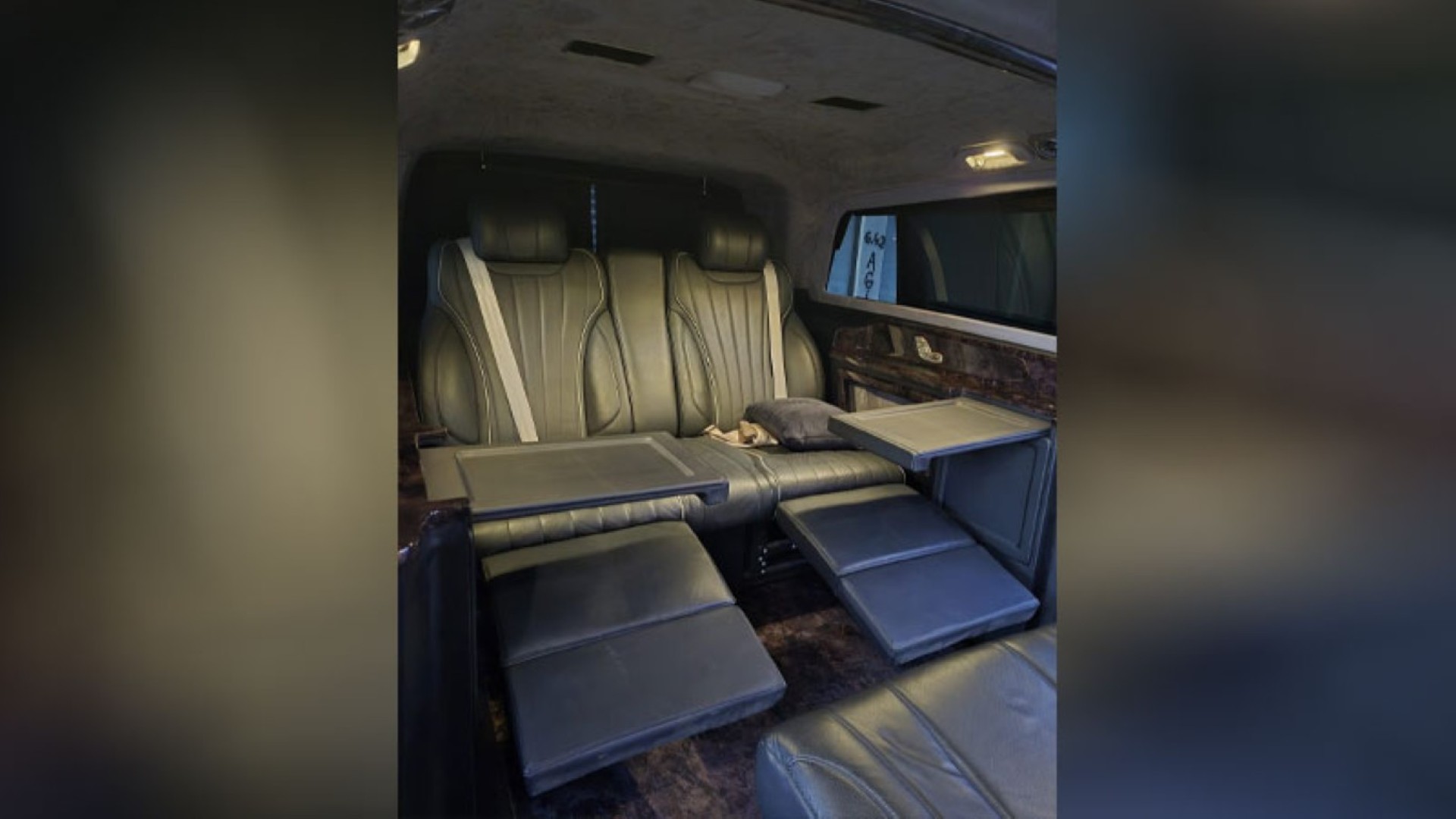
Travelers arriving at Adnan Menderes Airport can take a private VIP transfer to Konak and reach Karataş within a short taxi ride or walk from there. The elevator sits just off Dario Moreno Sokağı, renamed in 1990 after the singer, who had strong ties to the city.
Practical Notes for Visiting
The terrace at the top level is one of the widest viewpoints over the Gulf of Izmir and Konak; the light is best close to sunset. The site is quieter in the early morning and fills with photographers in the afternoon. The surrounding streets are steep and narrow, so comfortable shoes help, and visitors walk back down the same way they came up.
Who It's For
A natural stop for history-minded travelers, photographers, and anyone interested in Izmir's Levantine and Sephardic heritage. The steep, narrow streets around it are difficult for wheelchairs or strollers — those visitors are better served by the flat waterfront areas along the Kordon. Treat it as a short stop within a busier day, not as a full day's plan on its own.
Linking It to Konak's Other Layers
After the elevator, it's an easy walk down to Kemeraltı's bazaar or over to the Clock Tower at Konak Square. All three sit within walking distance of each other, enough to fill a single day in Konak with different layers of history.
Frequently Asked Questions
Is the Historic Elevator still in use?
Yes, the tower still carries passengers. It originally ran on steam and later water power, and has operated on electricity since 1985.
When is the best time to visit the elevator?
The terrace at the top level offers the best light close to sunset. Mornings are quieter, while afternoons fill up with visitors taking photos.
Can it be visited with a wheelchair or stroller?
The steep, narrow streets around it can be difficult for wheelchairs or strollers. The flat waterfront areas along the Kordon are a better alternative in that case.
How much time should be set aside for the visit?
The Historic Elevator is a short stop that fits easily into a busier day's itinerary; it shouldn't be treated as the main plan for the day.
What else is there to see nearby?
From there it's an easy walk down to Kemeraltı's bazaar or over to the Clock Tower at Konak Square. All three sit within walking distance of each other.
Who is this stop best suited for?
It's a natural stop for history-minded travelers, photographers, and anyone interested in Izmir's Levantine and Sephardic heritage.