
The Dilek Peninsula–Büyük Menderes Delta National Park, south of Kuşadası, is ideal for a day of nature and sea with its clear bays, forested slopes and rich wildlife. Established on 19 May 1966, the park covers 27,675 hectares, of which 10,985 hectares are on the Dilek Peninsula and 16,690 hectares in the Büyük Menderes Delta.
What Is There to See in Dilek Peninsula National Park?
The main stops that fill a day in the park are:
- Bays: swimming stops in pebble and sand coves surrounded by forest.
- Zeus Cave: inside the park boundaries, known for its cold, clear water.
- Walking trails: nature walks and viewpoints on the slopes.
- The Büyük Menderes Delta: a wetland of lagoons, salt marshes and mudflats; good for birdwatching.
Which Wildlife Lives in the Park?
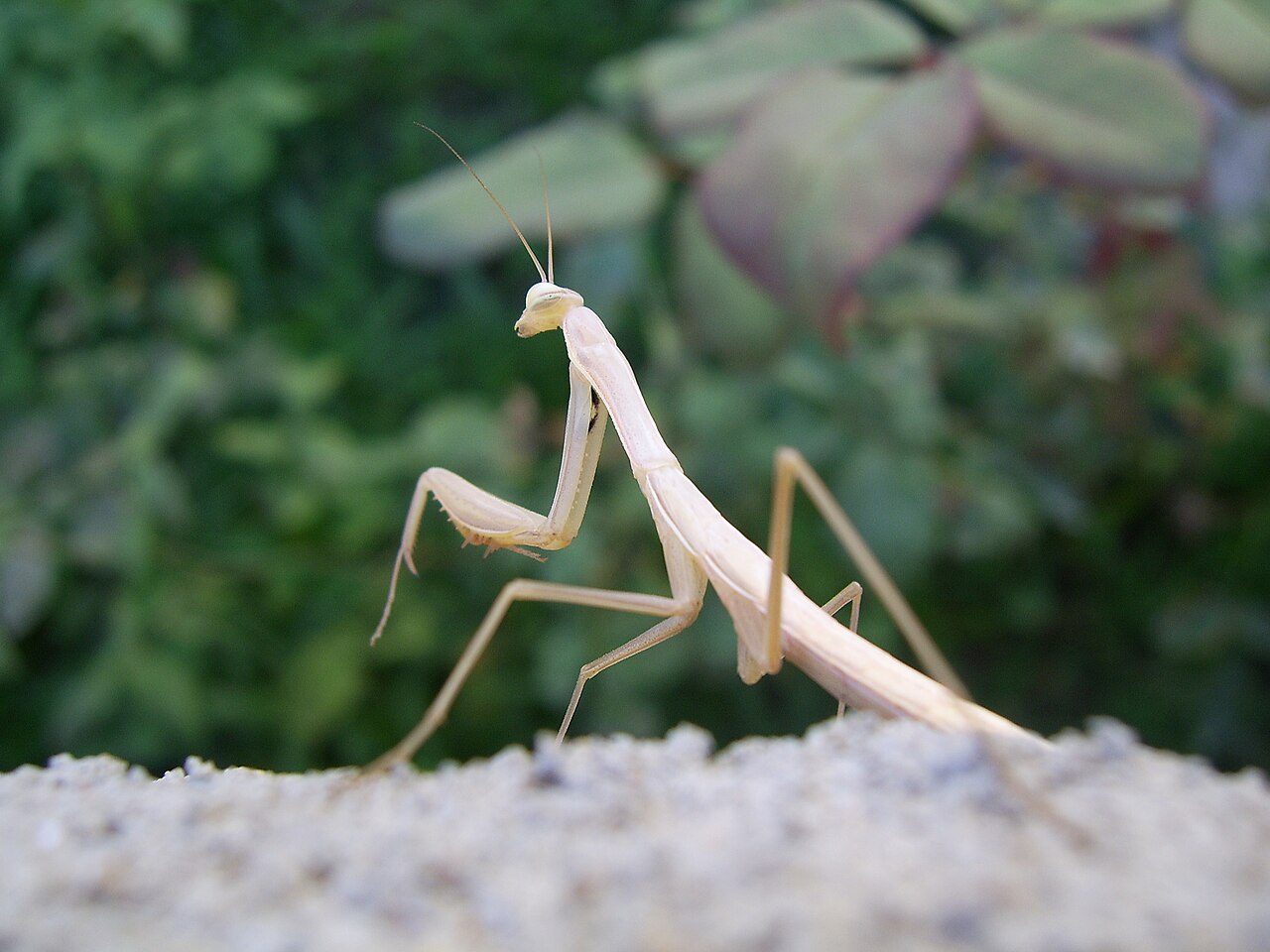
The Dilek Peninsula is known as the westernmost place where the endangered Anatolian leopard lived. The Mediterranean monk seal also appears on the park's fauna list; caves along the coast are among its habitats.
Seeing wildlife is a matter of luck. Do not approach or feed animals and do not leave the marked paths. On the delta side, binoculars are useful for watching migratory birds.
What Is the Büyük Menderes Delta?
The Büyük Menderes Delta, adjoining the south of the peninsula, is a wetland of several lagoons, salt marshes and mudflats. Its most important water source is the 584 km-long Büyük Menderes River.
The delta offers a very different landscape from the peninsula's forested bays: wide flats, reed beds and water birds. Early morning and late afternoon are the best times for birdwatching.
When Is the Best Time to Visit the National Park?
The best time for the sea and the bays is June to September; spring and autumn are better for walking and birdwatching. On summer weekends queues can form at the park entrance and the bays fill up; going on a weekday or early in the morning gives a calmer day.
Visiting hours and entry conditions can change, so check official sources before you go.
What Should You Keep in Mind When Visiting the National Park?
Conditions in the park are natural, so go prepared:
- Bring enough water and food; service points inside the park are limited.
- Bring a hat, sunscreen and sea shoes.
- Lighting fires and leaving rubbish are prohibited; take your rubbish back with you.
- The forest fire risk is high, so be very careful if you smoke.
Who Is the National Park Suitable For?
The national park suits hikers, birdwatchers, photographers and families who would rather swim in forested bays than on crowded beaches. Services and shade inside the park are limited, so families with babies should bring an umbrella and enough water. For those staying in Kuşadası it can be planned as a half- or full-day trip; accommodation is outside the park, in and around Kuşadası.
How Do You Get from the Airport to the National Park?
The road from Izmir Adnan Menderes Airport to Kuşadası is about 75 km and takes 1–1.5 hours depending on traffic; the national park is south of Kuşadası, further along this road. For a day trip, booking the vehicle by the hour makes moving between the bays inside the park easier.
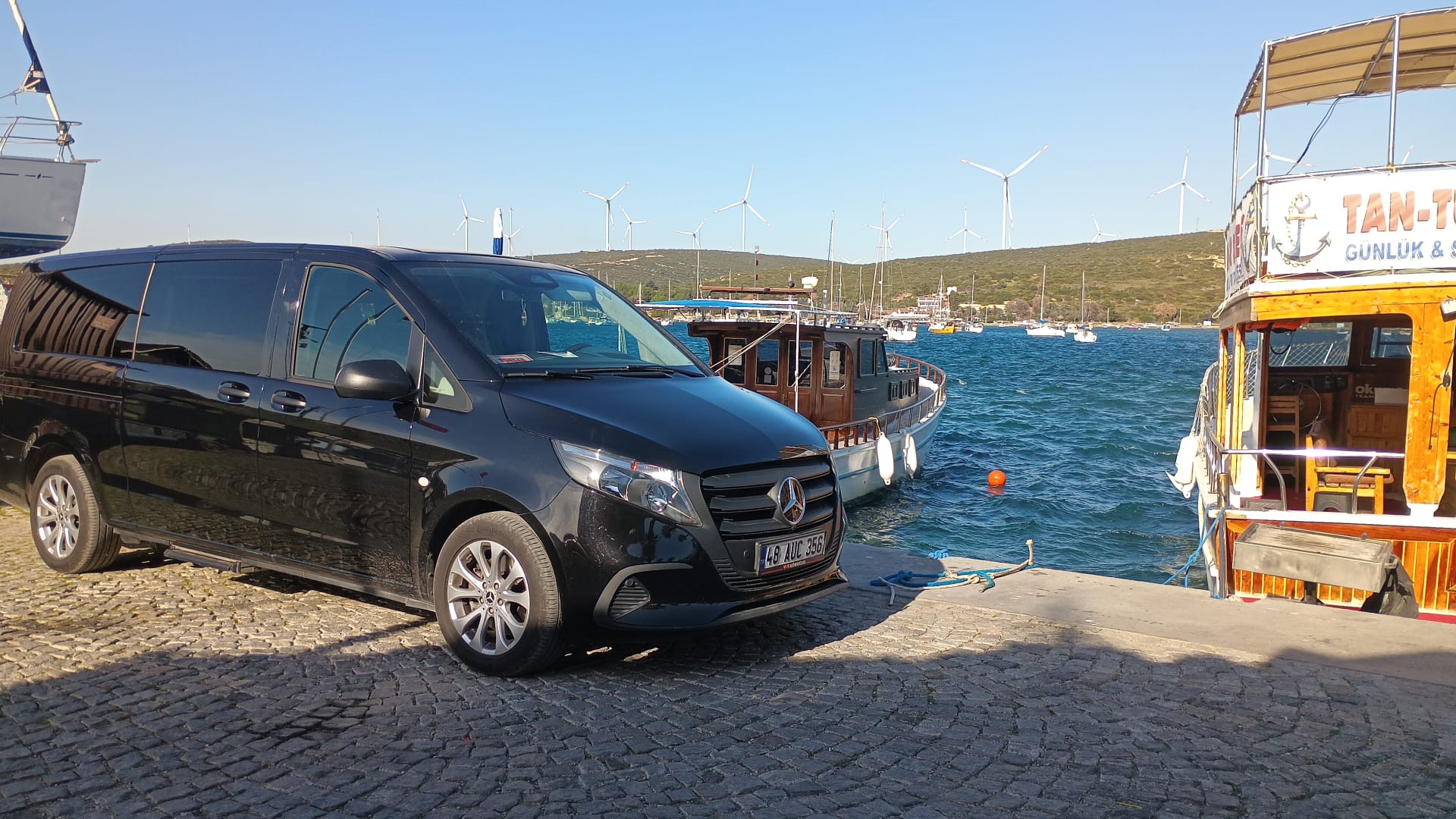
To book a vehicle, see the Izmir Airport to Kuşadası transfer page.
What Can You Combine the National Park With?
The national park is the nature day of a Kuşadası holiday. You can add things to see in Kuşadası, Soğucak, Davutlar and Ephesus to the same holiday.
Frequently Asked Questions
When was Dilek Peninsula National Park established?
The park was established on 19 May 1966.
Are there Anatolian leopards in the park?
The Dilek Peninsula is known as the westernmost place where the endangered Anatolian leopard lived.
Is Zeus Cave inside the national park?
Yes. Zeus Cave is within the national park boundaries.
Can you swim in the park?
Yes. You can swim in the park's bays; they can be crowded on summer weekends.
How long does it take from the airport to Kuşadası?
The road is about 75 km and takes 1–1.5 hours; the park is south of Kuşadası.