
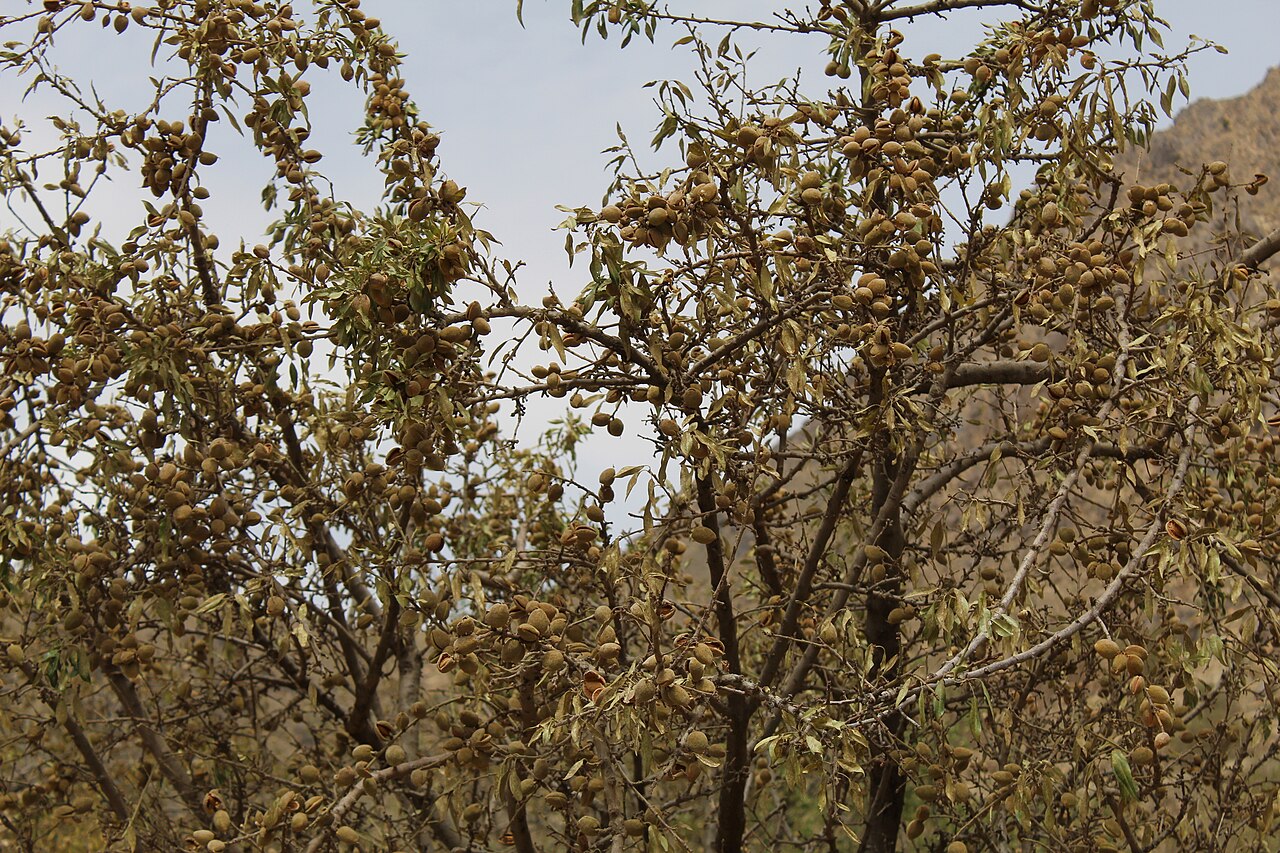
Nurlu almond, grown in the villages of the Datça Peninsula, received Turkish geographic indication (GI) status on 24 November 2023. Alongside the registration, production is changing too: Datça's first women's cooperative is preparing a new facility to process the almond and add value to it. The development is turning the almond into one of Datça's branded agricultural products.
What Does Datça's Nurlu Almond GI Registration Mean?
Datça Nurlu Bademi (nurlu almond) received Turkish geographic indication registration number 1504 on 24 November 2023, following an application filed on 7 September 2021; the GI status means the name "nurlu almond" can now only be used for almonds grown on the Datça Peninsula. With the registration, the almond became the 7th geographically indicated product of the Muğla Chamber of Commerce and Industry and the 29th for Muğla province overall. Almonds grown elsewhere cannot be sold under the same name.
How Is Nurlu Almond Different From Other Varieties?
Nurlu almond ripens about 15 days later than other almond varieties in August. Its fruit is relatively large and sweet, while its shell is notably hard. This late ripening and hard shell make it easy to tell apart from other Aegean almonds.
How Is a Women's Cooperative Adding Value to the Almond?
S.S. Datça Ahi Women's Cooperative, Datça's first and only women's cooperative, prepared a project to build a facility for processing nurlu almond. The project was approved for funding under the 2025 Social Development Support Program (SOGEP). The facility will be built on land owned by Muğla Metropolitan Municipality, where products such as almond delight (lokum) and cookies made from the GI-registered almond are planned. Once finished, the almond will leave the villages already processed and packaged.
When Should You Visit Datça?
Travelers who want to see the almond harvest should aim for late August to early September, since nurlu almond is still on the trees then, ripening later than other varieties. Half a day is enough to walk through Datça town and its almond-selling village markets; add a full day if you also want to see Knidos at the tip of the peninsula. The road to the Datça Peninsula beyond Marmaris is long and winding, so leaving in the morning helps you avoid both traffic and the afternoon heat. Cash is usually the only option at village markets and small producers, so bring some with you.
Who Is This Trip Suited For?
This route suits travelers curious about almond orchards and village markets who want to move at a slow pace. Wheelchair users may find the peninsula's sloped, stony village roads difficult.
Which Route Can You Combine Datça With?
The Datça Peninsula sits on a route that can be combined with Marmaris in a single day. Visitors arriving from Izmir Airport via the Marmaris route can see the almond orchards as well as the Knidos ancient city at the tip of the peninsula.
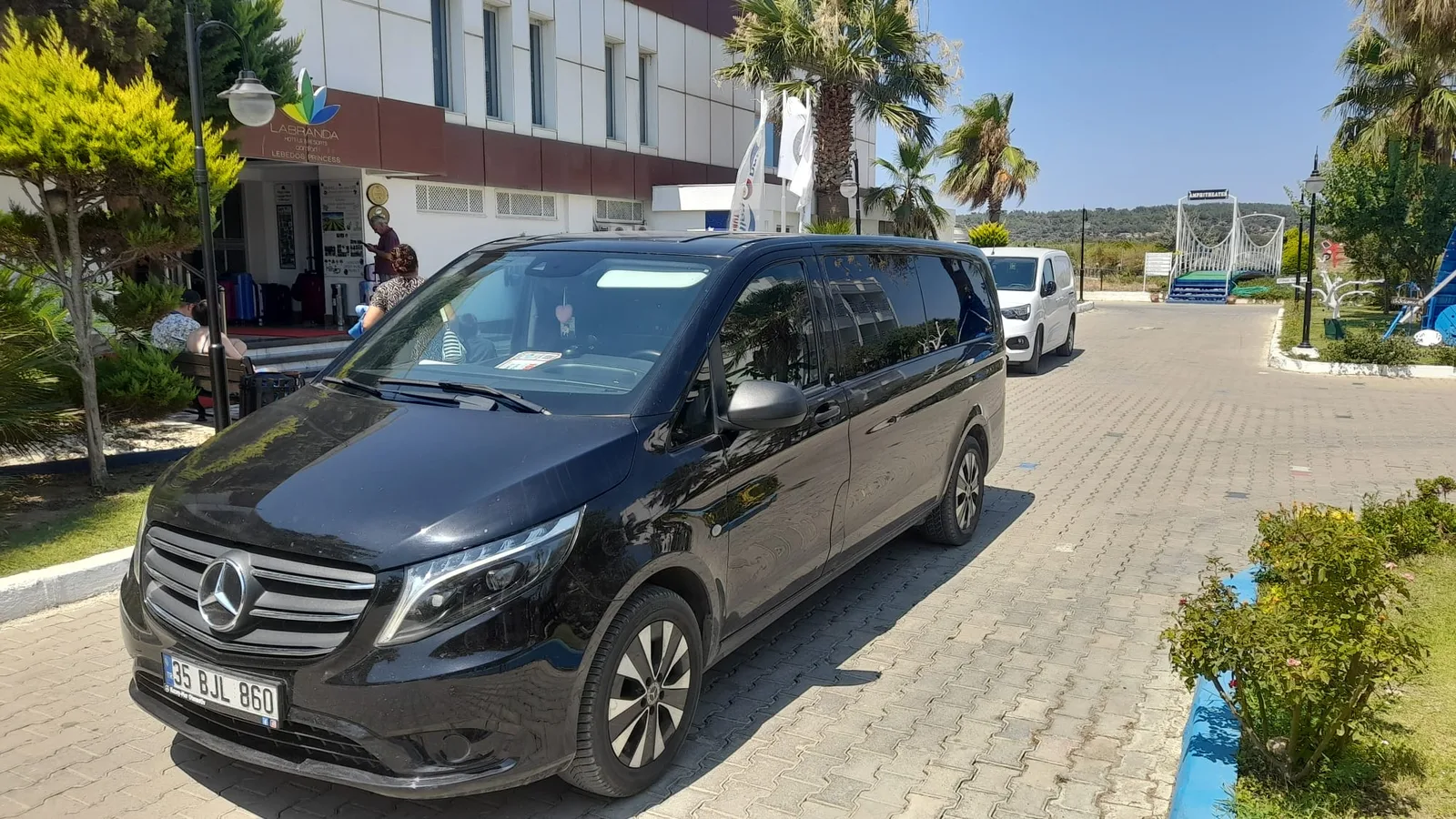
The crossing from Marmaris to Datça runs along a single road, so scheduling it for the first half of the day leaves more time for the bays. You can find where to stay in our Marmaris guide and how to explore the bays and Knidos in our Datça guide.
Frequently Asked Questions
Is nurlu almond available year round?
Dried almonds are sold year round at Datça's village markets and local producers.
Are the almond orchards open to visitors?
The orchards are private production land, so there is no organized visitor program; the almond is most easily seen and tasted at village markets.
Will the new almond processing facility be open to visitors?
The project approved under 2025 SOGEP funding is being prepared for production purposes; no public visitor tour has been announced.
How do you get to Datça from the airport?
Travelers who want a private transfer toward Datça can look at the Izmir to Marmaris route for the nearest airport connection; the road beyond Marmaris is long and winding.