
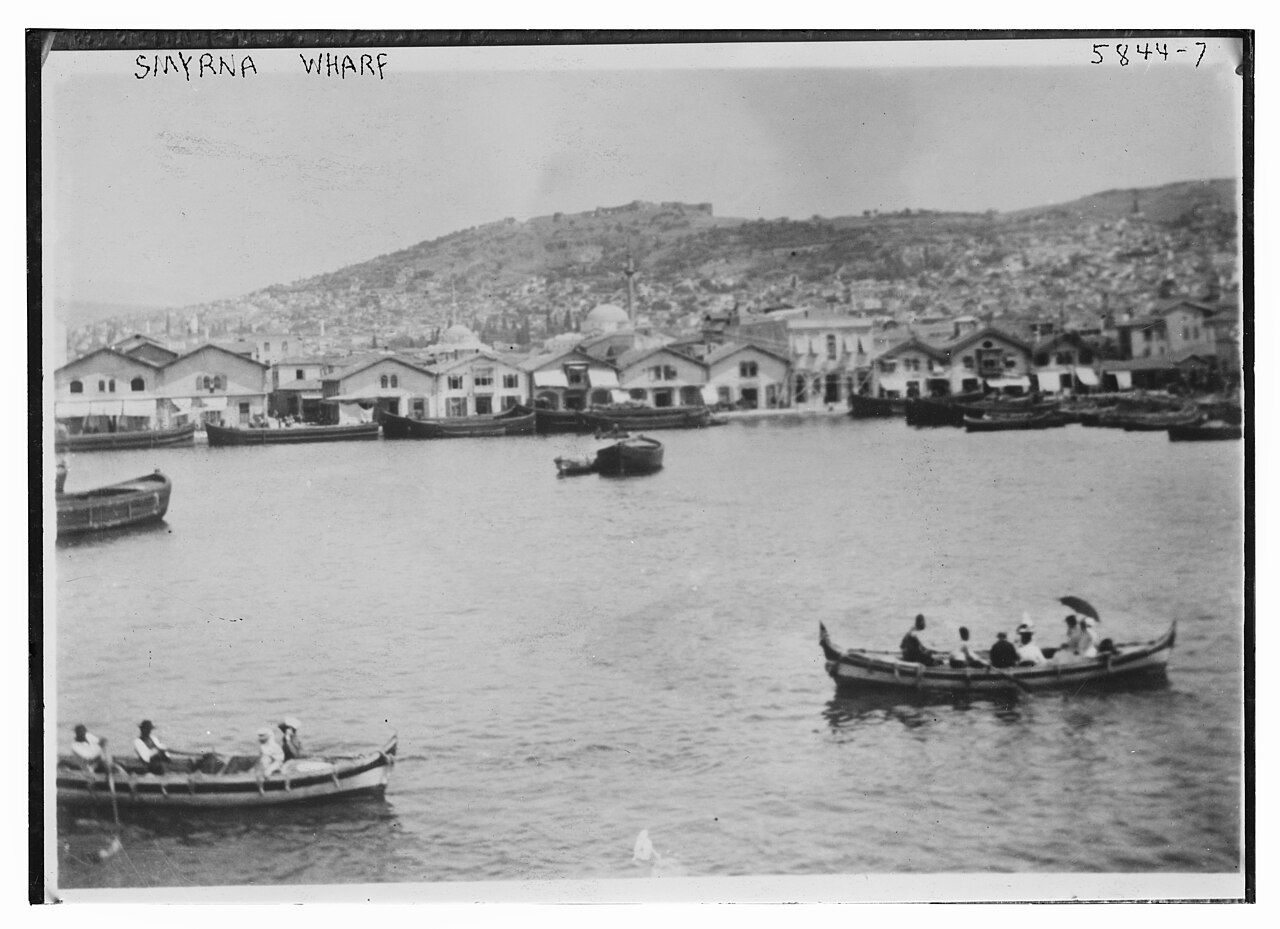
A silver hoard found in 2019, a grid-planned city dating back to the 7th century BC, and layers reached in the 2026 season going back to the 3rd millennium BC are expanding what is known about ancient Smyrna at the Bayraklı mound in İzmir. Today the mound sits almost unnoticed among the apartment blocks of Bayraklı, but thousands of years ago it was a small peninsula jutting into the gulf.
Who Is Running the Excavation at the Bayraklı Mound?
The dig is carried out under Prof. Dr. Aylin Ümit Erdem on behalf of Ege University, with permission from the Ministry of Culture and Tourism. The İzmir Metropolitan Municipality has supported the work since 2014.
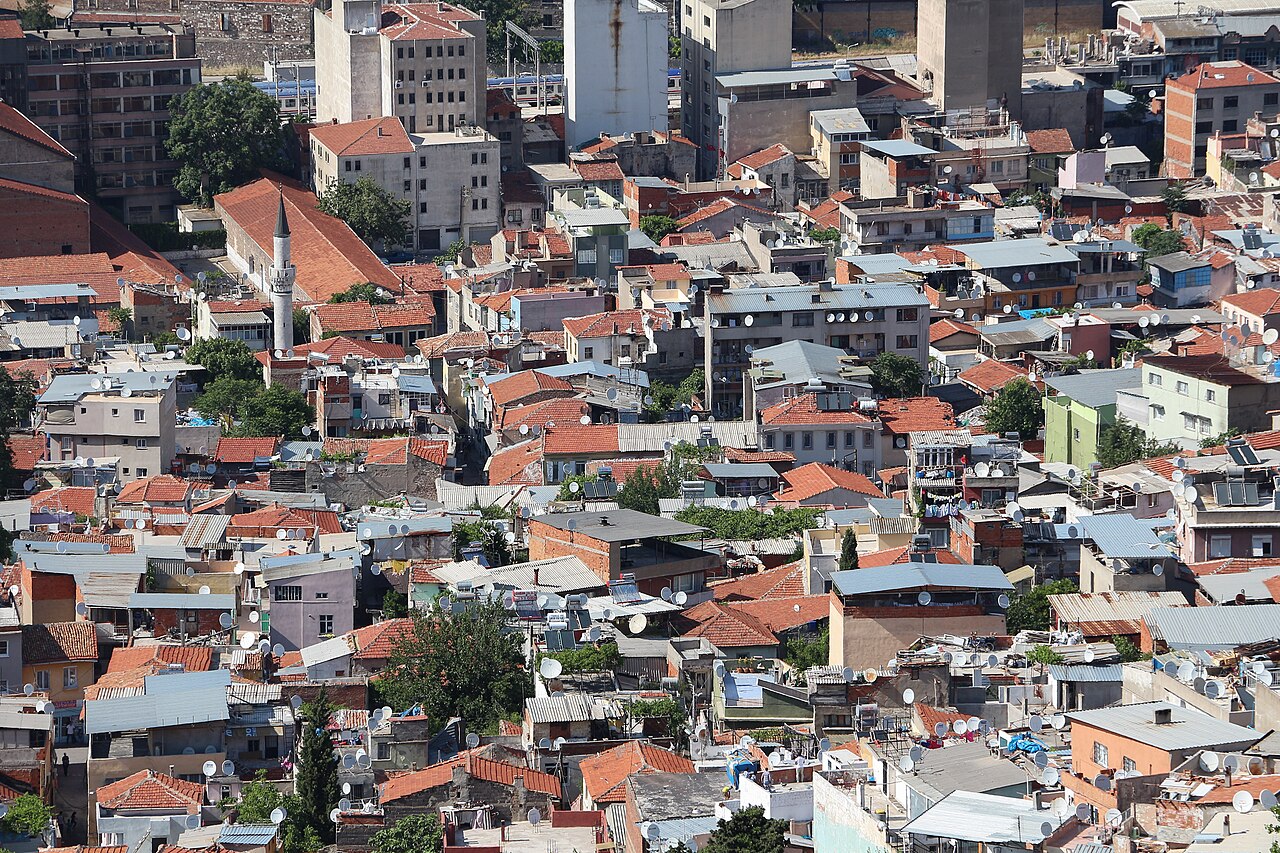
What Do the Grid-Planned Streets and the 2026 Season Show?
The remains uncovered so far show the city was laid out on a grid plan with streets crossing at right angles from the 7th century BC onward, with housing blocks, public buildings, and production areas fitting into that layout. The earliest phase of the surrounding defensive wall dates to the 9th century BC. The silver jewelry hoard found in the mound's Early Bronze Age layers in 2019 — weighing about 406 grams (roughly 14 ounces) — belongs to that same craft tradition. In the 2026 season, the team reached layers going back to the 3rd millennium BC and identified a six-phase architectural sequence.
Is Old Smyrna the Same Place as the İzmir Agora Site?
No, they belong to different periods. Old Smyrna was largely destroyed in 545 BC. Its people resettled, at the end of the 4th century BC and following Alexander the Great, at the foot of Kadifekale — known in antiquity as Pagos — founding a new Smyrna. The Kadifekale hill and the Agora site around it, which can be visited today, belong to that second city; the Bayraklı mound is the excavation site of the city's original, older form.
What Should You Know Before Visiting the Agora Site?
At the Agora site, the Mosaic Hall, the Bouleuterion (City Council building), the Roman Bath, and the Gymnasium are open to visitors; comfortable walking shoes and a hat are worth bringing, since the site has little shade. Midday brings both heat and crowds, so an early morning visit is more comfortable. The site sits in Konak, within walking distance of the Kemeraltı Bazaar, so the two stops fit easily into one day.
Who Is This Excavation Story For?
Archaeology and ancient history enthusiasts, anyone curious about İzmir's origins, and photographers will find the Bayraklı mound story a worthwhile angle. Since the mound itself is still an active excavation site, it makes more sense to prioritize the visitable Agora site and Kadifekale when planning a trip — a choice that saves time especially for cruise passengers with limited hours and for families with young children.
What Else Fits Into a Bayraklı Trip?
A visitor arriving from the airport can add the Kemeraltı Bazaar and Kadifekale to the same day, since all three sit close together along the Konak-Bayraklı line. The Bayraklı guide covers the broader link between the district's modern history and ancient Smyrna, rounding out the background for this excavation story. For transport from the airport to Bayraklı, a vehicle can be arranged through the airport transfer route page.
Frequently Asked Questions
Where is ancient Smyrna located?
The city's original, oldest form sits at the Tepekule mound in İzmir's Bayraklı district; its second settlement, relocated in the 4th century BC, is at today's Agora site in Konak.
Can you enter the excavation area at the mound?
The Bayraklı mound is currently an active excavation site, so visitors wanting to see ancient Smyrna up close generally head instead to the Agora site, where the Mosaic Hall and Roman Bath can be visited.
Who leads the excavation?
The dig is carried out under Prof. Dr. Aylin Ümit Erdem on behalf of Ege University, with permission from the Ministry of Culture and Tourism.
What can be seen at the Agora site?
The Mosaic Hall, the Bouleuterion (City Council), the Roman Bath, and the Gymnasium remains are open to visitors.
Why did Old Smyrna relocate?
Old Smyrna was largely destroyed in 545 BC; its people resettled at the foot of Kadifekale at the end of the 4th century BC to found the new city.
Is it suitable for children?
The Agora site has a flat walking route, so it works with children; since shade is limited, avoiding the midday heat makes the visit more comfortable.