
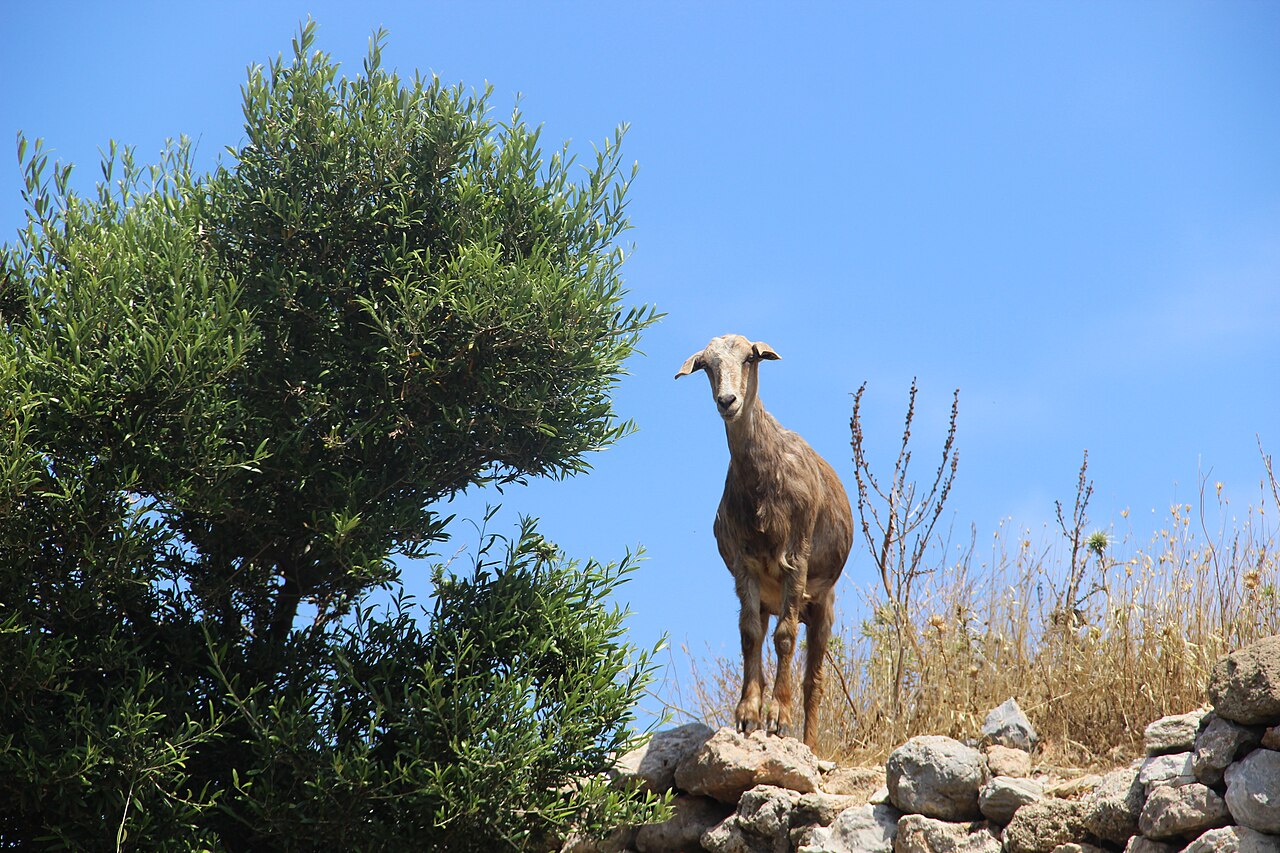
In Muğla's Yatağan district, a village still lives inside an ancient city. That's what sets Stratonikeia apart from Turkey's other ruins — the excavation site and the village houses sit side by side.
The City Named After Stratonike
The city was renamed after Queen Stratonike by the Seleucid King Antiochus I after 281 BCE.
The Village Inside the Ruins: Eskihisar
Eskihisar village was relocated after a 1957 earthquake, and again once coal mining began in the area — yet some families still live within the ancient city site at Eskihisar. That's what makes this one of the rare ancient cities where visitors walk through a living settlement rather than a museum display case.
What to See in the City
The path from the entrance leads past the city gate, the gymnasium remains and the bouleuterion, while the theatre rises on the hillside just behind the village houses. Walking the stone streets, you'll see excavation tape on one side and still-used garden gates and washing lines on the other — that overlap is what makes Stratonikeia distinct, even as a photograph. Late afternoon light on the stone structures tends to empty the site out; unlike the early morning quiet, afternoon visitors are mostly tour groups.
Practical Visiting Notes
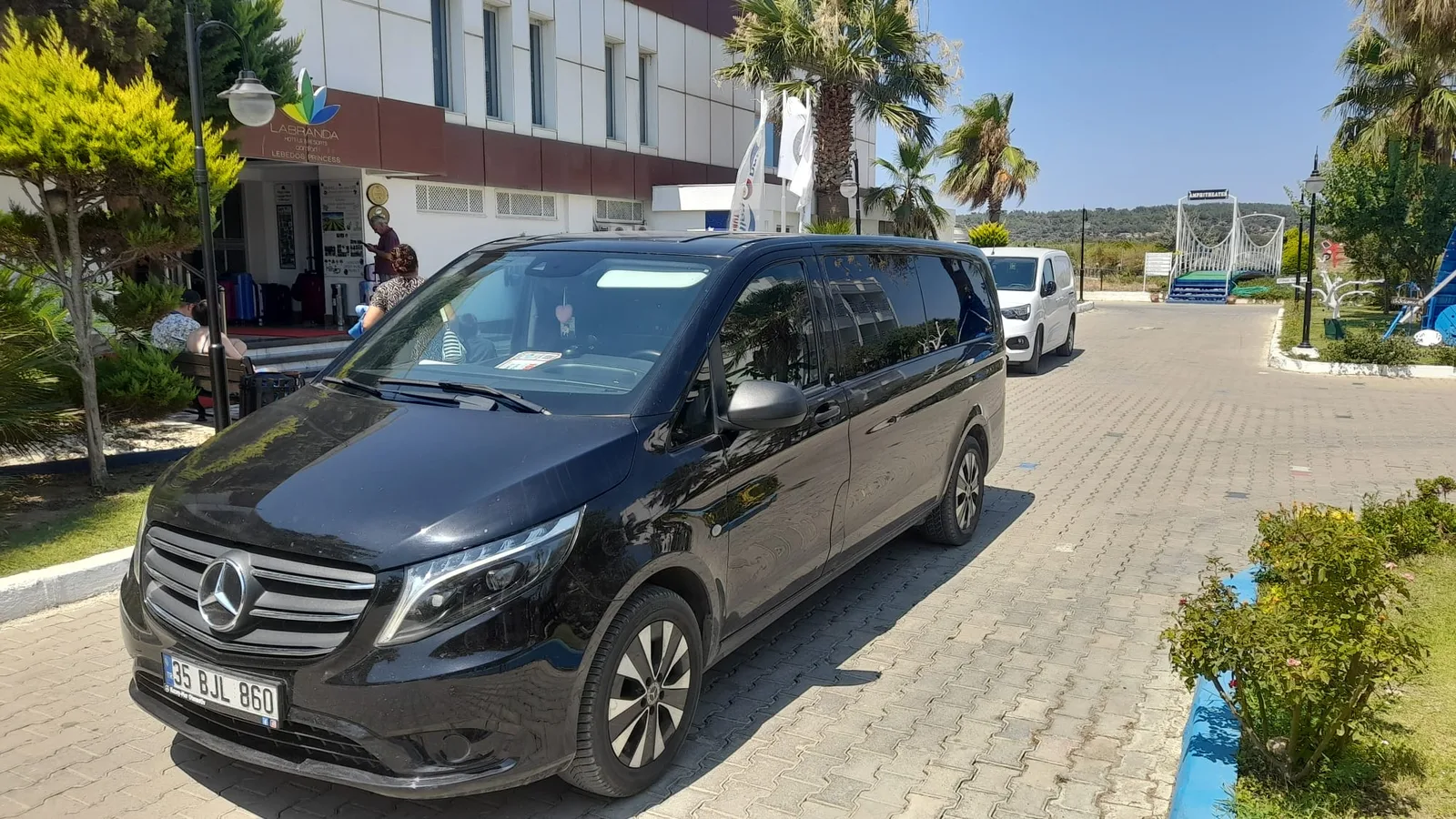
Arriving in Yatağan from İzmir Adnan Menderes Airport fits naturally into the Izmir Airport to Muğla route.
Who It Suits
History lovers, photographers and anyone looking for a less-polished ancient city will find Stratonikeia rewarding. Anyone expecting paved paths and well-developed visitor infrastructure, or travelling with elderly family members who struggle on uneven ground, should know the site is rougher around the edges — wheelchairs and canes don't manage it easily. Travelling with small children means watching for low excavation walls and open pits — fencing and barriers are limited. Don't come expecting the restored, wide walkways of a site like Ephesus.
Building It Into a Route
Pairing Stratonikeia with a morning at Muğla's old town, Saburhane and the Arasta Bazaar gives a single day both a city and a countryside ancient-city experience. Travellers heading toward Datça afterward can add the ancient city of Knidos as a second stop. Keep in mind that families still live their daily lives in Eskihisar's narrow lanes — be considerate when photographing.
Frequently Asked Questions
How much time should be set aside for visiting Stratonikeia?
Given the size of the site, set aside at least two hours for a comfortable visit.
What's the best time of day to visit?
Early morning works best, avoiding both the heat and the busiest hours; afternoon visitors are mostly tour groups.
Do people still live in Eskihisar village?
Yes, even though the village was relocated after the 1957 earthquake and again once coal mining began in the area, some families still live within the ancient city site at Eskihisar.
Can the site be visited with a wheelchair or cane?
It's difficult; the site is rougher around the edges in places, which makes it hard to manage with a wheelchair or cane. Anyone travelling with elderly family members who struggle on uneven ground should keep this in mind.
Can you pay by card at the entrance?
Not always reliably; card payment at the entrance isn't always reliable, so it's best to carry cash.
What should visitors bring or watch out for?
Comfortable walking shoes are essential given how much ground is stone, and since there's little shade, bring a hat and water. Those travelling with small children should watch for low excavation walls and open pits.